

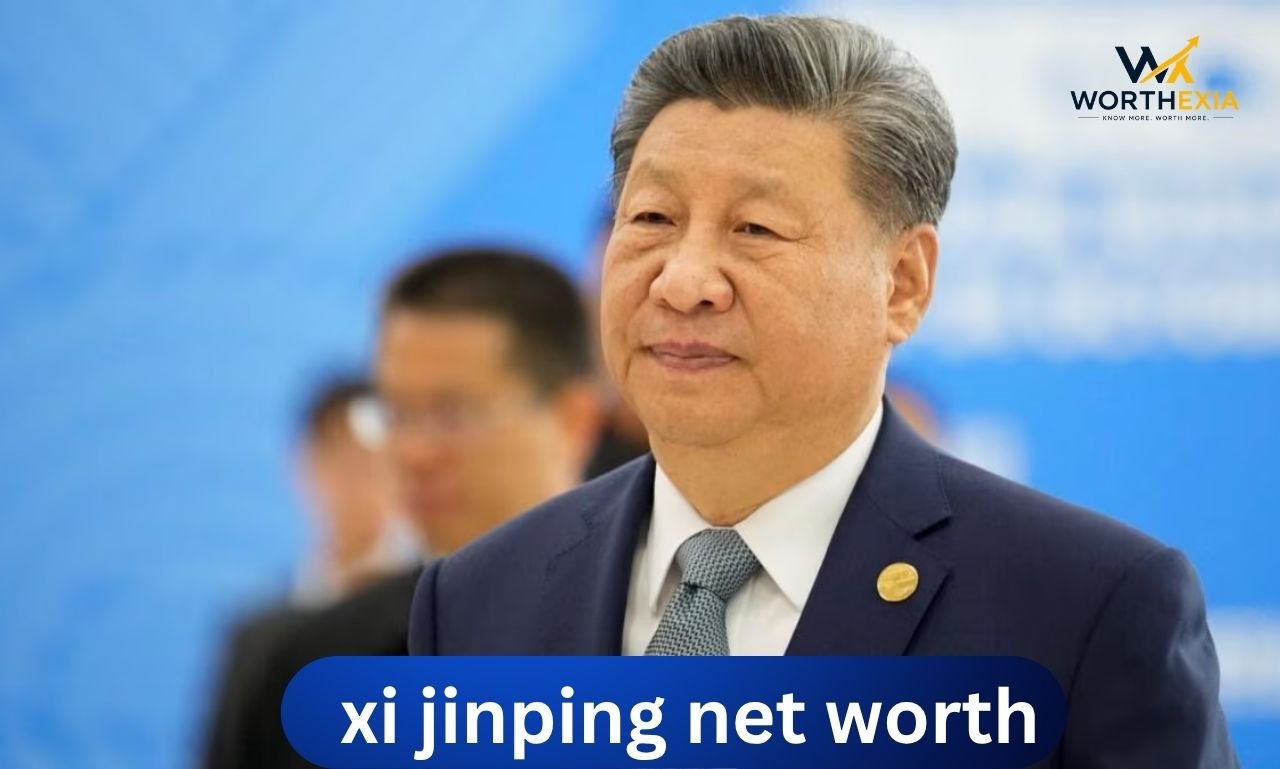
Xi Jinping’s net worth is a subject of public interest because he is one of the world’s most influential political leaders. As China’s president and the general secretary of the Chinese Communist Party, Xi holds positions that place him at the center of major political and economic decisions. However, his personal wealth is not established through a publicly available, independently verified financial statement.
Some celebrity wealth websites estimate Xi Jinping’s net worth at approximately $1 million. This figure should be treated cautiously because it is a third-party estimate rather than a confirmed disclosure of his assets, investments, liabilities, and other financial interests.
Understanding Xi Jinping’s financial background requires separating estimates about his personal wealth from historical reports concerning members of his extended family. His political career, education, official responsibilities, and family background provide important context, but they do not establish an exact personal net-worth figure for 2026.
Xi Jinping Net Worth in 2026
Xi Jinping’s exact net worth in 2026 remains unverified. Celebrity Net Worth estimates it at about $1 million, but this amount is not officially confirmed.
A reliable net-worth calculation requires information about a person’s assets, investments, property interests, business holdings, debts, and other financial obligations. Publicly available information does not provide a complete, independently verified picture of Xi’s personal finances.
It is also important to distinguish personal wealth from access to government resources. As China’s president and a senior party leader, Xi has access to official facilities and resources associated with his positions. These resources are not automatically his personal property and should not be counted as private wealth without supporting evidence.
Net Worth Overview
| Detail | Information |
| Full name | Xi Jinping |
| Year of assessment | 2026 |
| Reported net-worth estimate | Approximately $1 million |
| Estimate status | Unverified third-party estimate |
| Officially confirmed personal net worth | Not publicly established |
| Main public role | President of China |
| Political party | Chinese Communist Party |
| Date of birth | June 15, 1953 |
| Spouse | Peng Liyuan |
| Education | Tsinghua University; postgraduate study |
| Academic degree | Doctor of Law |
The reported $1 million estimate is best understood as a figure published by a third-party wealth website. Insufficient verified public information confirms it as Xi Jinping’s actual net worth in 2026.
Why Xi Jinping’s Personal Wealth Is Difficult to Verify
Calculating the personal wealth of a senior political leader can be difficult when complete financial disclosures are unavailable. Xi Jinping’s public responsibilities are extensively documented, but his full personal balance sheet is not publicly established through independently verified records.
Several factors make an exact figure uncertain.
Limited public financial disclosure
Public biographies describe Xi’s education, government appointments, and political responsibilities. They do not fully account for his private assets, liabilities, investments, or other financial interests.
Unverified third-party estimates
Celebrity wealth websites sometimes publish net-worth figures for political leaders. These estimates can attract attention, but their accuracy depends on the quality of their evidence and methodology. A published figure should not be treated as confirmed simply because it appears on a well-known website.
Personal wealth versus family assets
Reports about relatives’ business interests do not establish that Xi personally owns those assets. Ownership, beneficial control, and financial relationships must be demonstrated before an asset can reasonably be attributed to an individual.
Official resources versus private property
Government-provided facilities, transportation, security, and other resources associated with a political office are not necessarily personal assets. A credible estimate must distinguish public resources from privately owned property.
For these reasons, available public evidence cannot confidently state Xi Jinping’s precise net worth in 2026.
Historical Reports About Xi Jinping’s Extended Family Wealth
In June 2012, Bloomberg published an investigation into business interests and assets linked to members of Xi Jinping’s extended family. The report discussed relatives’ connections to sectors that included minerals, real estate, and mobile-phone equipment.
The investigation drew international attention because it examined the business interests of relatives of a senior Chinese political figure. However, the report’s findings need to be interpreted carefully.
The reported business interests were associated with extended-family members, not established as Xi Jinping’s personal assets. The reporting also did not establish that Xi, his wife Peng Liyuan, or their daughter personally owned the assets described in the investigation.
Another important distinction: a company’s asset value is not the same as an individual’s or family’s net worth. A proper net-worth calculation must account for ownership shares, liabilities, debts, and other financial obligations.
The 2012 investigation therefore provides historical context about reported family business interests, but it does not establish Xi Jinping’s personal net worth in 2026.
It is also not, by itself, evidence of wrongdoing. Claims about illegal conduct or personal financial benefit require separate, reliable evidence.
Xi Jinping’s Known Income and Financial Background
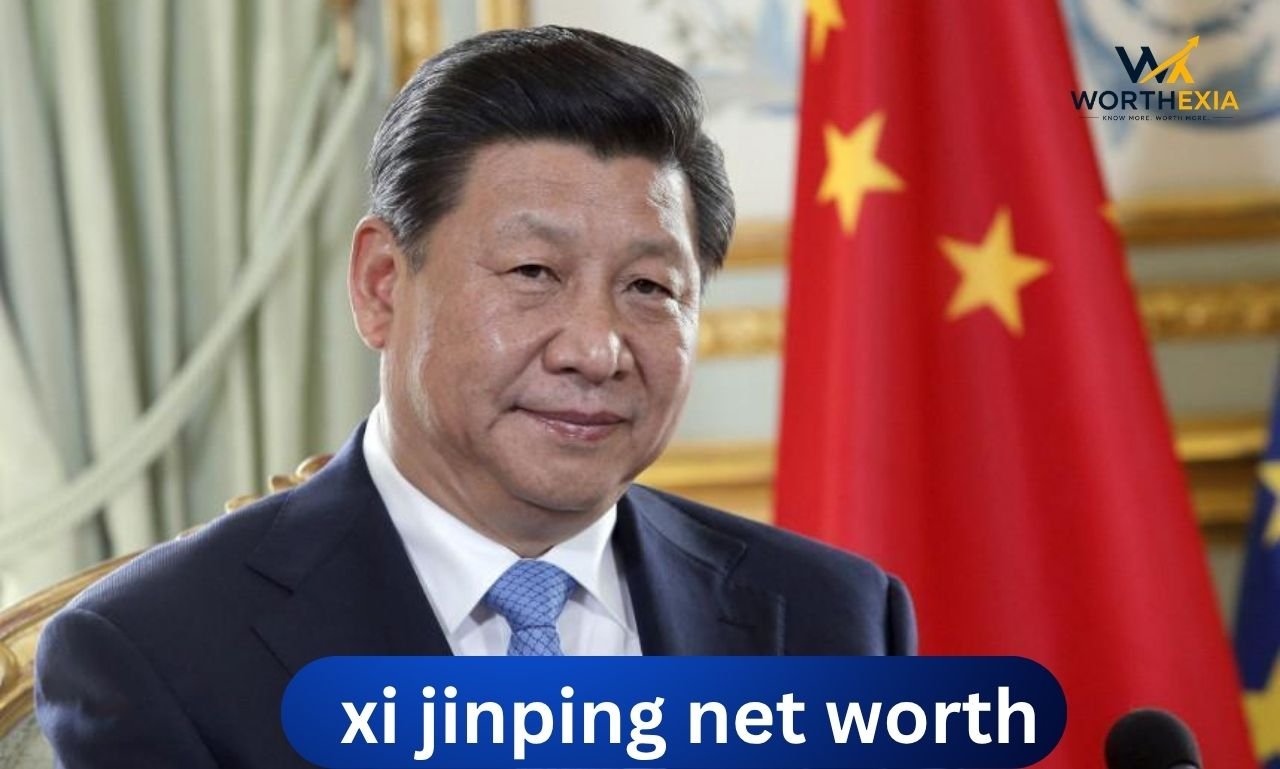
Xi Jinping’s public career has primarily involved government and Communist Party leadership. His official biography documents a progression through local administration, provincial leadership, senior party positions, and national leadership.
However, no detailed, independently verified record of his personal income, investments, or private financial holdings is publicly available.
Government and political career
Xi held a series of government and party appointments before becoming China’s president in 2013. His career included work in local administration, provincial government, and senior national leadership. These appointments explain his professional background but do not reveal his complete personal financial position.
Published salary claims
Some online wealth profiles publish salary figures for Xi. Without a clearly identified, reliable primary source and a verified date, such numbers should not be presented as confirmed current income. Therefore, this article does not assign Xi a specific annual salary.
Business ownership claims
Historical reports have examined business interests associated with members of Xi’s extended family. Such reports should not be used to claim that Xi personally owns those businesses unless direct ownership or financial control is established.
Private investments and property
No complete, independently verified public accounting of Xi’s personal investments, private property, liabilities, and other assets is available in the information discussed here. Any estimate that claims to provide an exact total should therefore be treated with caution.
The most responsible conclusion is that Xi’s public positions are documented, while his complete personal financial position remains unverified.
Early Life and Education
Xi Jinping was born on June 15, 1953. His family origins link him to Fuping County in Shaanxi Province, while biographical profiles commonly identify Beijing as his birthplace.
His father, Xi Zhongxun, was a senior official in the Chinese Communist Party. Xi Jinping grew up during a period of major political change in China, and his early life was influenced by the country’s political environment and his family’s history.
In 1969, Xi began working in Liangjiahe village in Shaanxi Province as part of the generation of young people sent to the countryside during the Cultural Revolution. He spent several years there before continuing his education and political career.
Xi later studied chemical engineering at Tsinghua University, attending from 1975 to 1979. He later completed an in-service postgraduate program focused on Marxist theory and ideological and political education.
He received a Doctor of Law degree after postgraduate study from 1998 to 2002. His academic background is therefore broader than a simple undergraduate qualification, although his later career became primarily political and administrative.
His education and early experiences preceded a series of appointments that gradually brought him into provincial and national leadership.
For additional background on Xi Jinping’s early life, education, political career, and leadership positions, readers can explore a biographical overview of the Chinese leader.
Xi Jinping’s Political Career
Xi Jinping’s political career developed over several decades. His local administrative and provincial appointments preceded his rise to the highest levels of China’s political system.
Early Administrative Roles: 1969–1982
Xi spent part of his early working life in Liangjiahe, Shaanxi Province. After studying at Tsinghua University, he worked in an office connected with the State Council and the Central Military Commission.
These experiences helped establish the administrative background that preceded his later local-government appointments.
Leadership in Hebei: 1982–1985
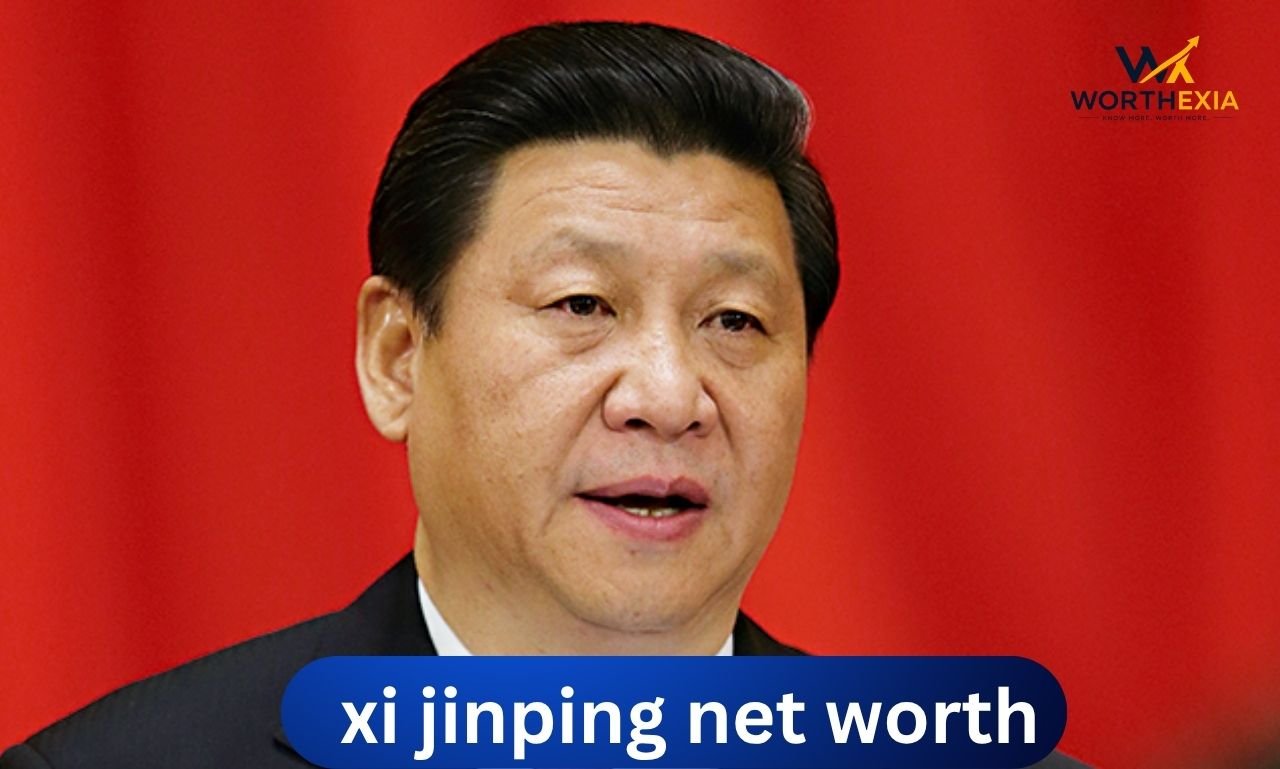
Xi moved into local leadership in Zhengding County, Hebei Province. He served as deputy party secretary before becoming the county’s party secretary.
His responsibilities included local administration and party leadership, giving him experience in regional governance.
Work in Fujian: 1985–2002
Xi held a series of positions in Fujian Province, including roles in Xiamen and Ningde, followed by senior party responsibilities in Fuzhou and across the province.
He later served as acting governor and governor of Fujian. These appointments expanded his experience in provincial administration and government management.
Leadership in Zhejiang: 2002–2007
Xi moved to Zhejiang Province, where he served in senior provincial leadership roles, including party secretary.
His work in Zhejiang preceded his move to Shanghai and his promotion to national party leadership.
Shanghai and National Leadership: 2007–2012
In 2007, Xi became Shanghai’s party secretary. That year, he also joined the Chinese Communist Party’s Politburo Standing Committee, the country’s highest-ranking party leadership body.
In 2008, he became China’s vice president. His national responsibilities continued to expand before he became the Communist Party’s general secretary in 2012.
President of China: 2013–2026
Xi became president of China in March 2013. He has also served as general secretary of the Chinese Communist Party and chairman of the Central Military Commission.
In 2018, China removed the constitutional two-term limit for the presidency, allowing Xi to remain eligible for additional presidential terms. He secured a third term as party general secretary in 2022 and a third presidential term in 2023.
His continued leadership through 2026 places him at the center of China’s domestic policy, foreign relations, military leadership, and economic direction.
These milestones document his political rise. They do not, on their own, establish the size of his personal fortune.
Major Political Responsibilities and Influence
Xi Jinping’s influence comes from his senior positions in the party, state, and military. These responsibilities place him at the center of China’s political system.
Leadership of the Communist Party
As general secretary of the Chinese Communist Party, Xi holds the party’s highest leadership position. The party plays a central role in China’s political and administrative structure.
Presidential responsibilities
As president of China, Xi represents the country in official state functions and international diplomacy. The role is part of the broader national leadership structure.
Military leadership
Xi also serves as chairman of the Central Military Commission, placing him at the top of China’s military leadership structure.
Economic and foreign policy influence
Under Xi’s leadership, China’s economic policies, international trade relationships, technological priorities, and foreign affairs are major areas of national policy. His influence over these areas is political and institutional; it should not be confused with personal ownership of China’s economic assets.
These responsibilities help explain why Xi is a globally significant political figure. They should not be used as a substitute for evidence about his private wealth.
Like other world leaders, Benjamin Netanyahu has also attracted public interest in his personal wealth and financial background, although published net-worth figures should be treated as estimates unless independently verified.
Assets, Official Resources, and Personal Wealth
Discussions of political leaders’ wealth often mix personal assets with resources tied to their official positions. These categories need to be kept separate when assessing Xi Jinping’s net worth.
Personal assets
Personal assets can include privately owned property, investments, bank deposits, and other financial holdings. A reliable net-worth calculation must also account for liabilities. A complete, independently verified public inventory of Xi’s personal assets is not available.
Family business interests
Reports on relatives’ business interests may provide context about a family’s economic connections. They do not prove that Xi personally owns or controls those interests. The owner’s identity and the nature of any financial relationship must be established separately.
Government-provided resources
Official transportation, security, residences used for state functions, and other government resources may be provided because of a leader’s position. Their use does not necessarily mean the leader privately owns them.
Living standards and public appearances
Official appearances and access to state facilities cannot reliably establish an individual’s personal net worth. Visible signs of status do not replace verified financial records.
Consequently, assessing Xi Jinping’s wealth should focus on documented personal ownership and verified financial information rather than assumptions based on his office or political influence.
Xi Jinping Net Worth Timeline
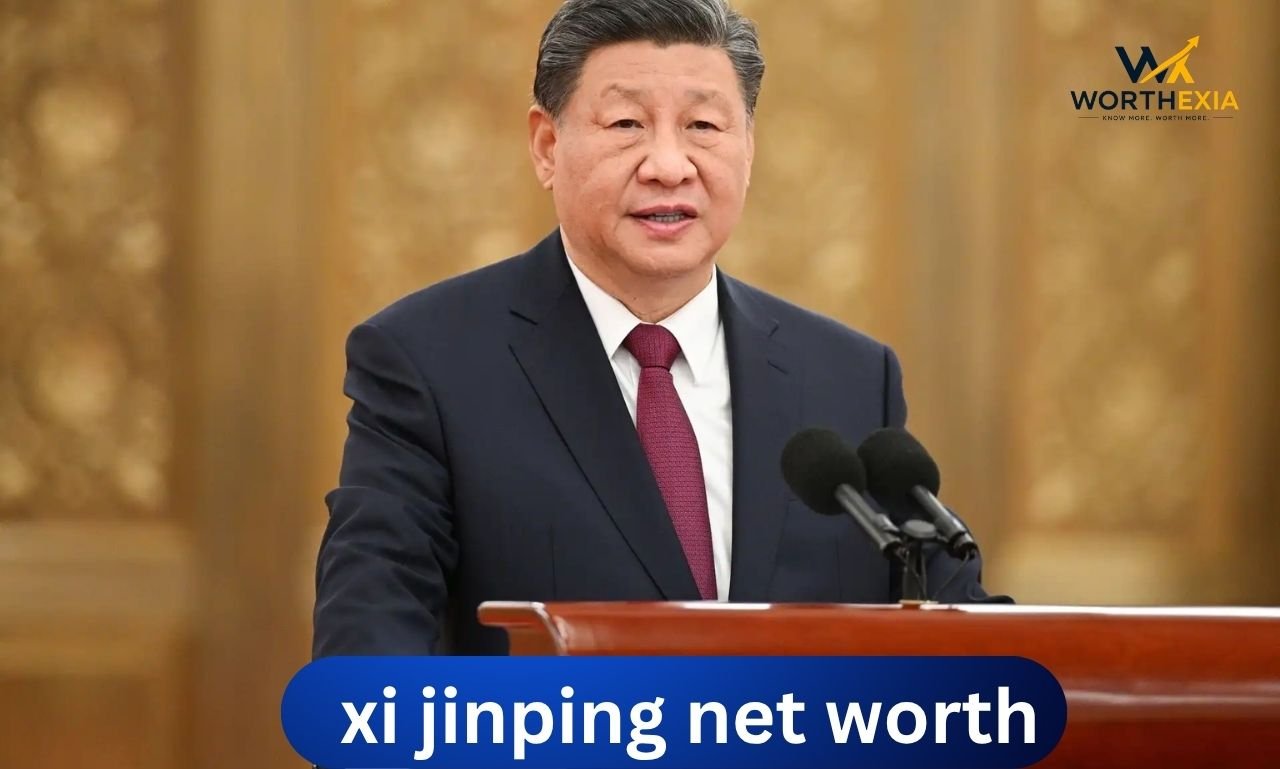
A precise year-by-year net-worth timeline cannot be produced responsibly without consistent and reliable financial data. No verified public series establishes Xi Jinping’s personal wealth for each year of his political career.
The following timeline summarizes major career milestones instead of assigning unsupported financial values.
| Period | Career milestone | What it establishes |
| 1969–1975 | Worked in Liangjiahe, Shaanxi | Early life and work experience |
| 1975–1979 | Studied at Tsinghua University | Undergraduate education |
| 1980s | Held local administrative positions | Early political career |
| 1985–2002 | Served in several Fujian roles | Provincial government experience |
| 2002–2007 | Held senior positions in Zhejiang | Provincial leadership |
| 2007 | Became Shanghai party secretary and joined the Politburo Standing Committee | Entry into top national leadership |
| 2008 | Became vice president of China | Senior state leadership |
| 2012 | Became Communist Party general secretary | Assumed the party’s top leadership role |
| 2013 | Became president of China | Began serving as head of state |
| 2022–2023 | Secured a third term as party general secretary and a third presidential term | Continued national leadership |
| 2026 | Remains a major figure in Chinese politics | Does not independently verify personal net worth |
This timeline records public career milestones, not financial growth. Assigning a dollar value to each year would create a misleading impression of accuracy without adequate evidence.
Interesting Facts About Xi Jinping
- Born in 1953: Xi Jinping was born on June 15, 1953.
- Family origins in Shaanxi: He was born in Fuping County, Shaanxi Province.
- Studied at Tsinghua University: He studied chemical engineering before pursuing a long political career.
- Doctor of Law degree: He earned a Doctor of Law degree.
- Worked in local administration: Before reaching national leadership, he held several county and provincial government positions.
- Became president in 2013: He became president in March 2013.
- Holds senior party and military roles: He leads the Communist Party and chairs the Central Military Commission.
- Married to Peng Liyuan: His wife is a well-known Chinese singer and performer.
- Family wealth reports require caution: Historical reports on relatives’ business interests do not establish Xi’s personal net worth.
- No verified personal net-worth total: Publicly available information does not establish a complete, independently verified total for his personal wealth in 2026.
Frequently Asked Questions
1. What is Xi Jinping’s net worth in 2026?
Xi Jinping’s exact net worth in 2026 is not publicly verified. Celebrity Net Worth has published an estimate of approximately $1 million, but it should be treated as an unverified third-party figure rather than an official financial disclosure.
2. Is Xi Jinping a billionaire?
Available evidence discussed in this article does not establish that Xi Jinping personally has billionaire-level wealth. Historical reports about relatives’ business interests do not prove his individual net worth.
3. How much does Xi Jinping earn per year?
A reliable, independently verified current annual salary figure has not been established here. Online salary claims should be checked against a credible primary source before being presented as fact.
4. Does Xi Jinping own the businesses associated with his relatives?
Historical reports have discussed business interests associated with members of his extended family. Those reports do not establish that Xi personally owns or controls the businesses in question.
5. Did a 2012 investigation reveal Xi Jinping’s personal fortune?
A Bloomberg investigation published in June 2012 examined business interests associated with members of Xi’s extended family. It did not establish that the assets described were Xi’s personal holdings or provide a verified figure for his personal net worth.
6. Are family assets the same as Xi Jinping’s net worth?
No. Family assets and personal wealth are different concepts. A financial claim must identify the owner and account for ownership shares, liabilities, and other obligations before it can be attributed to an individual.
7. What is Xi Jinping’s main source of income?
His documented professional career has primarily involved government and Communist Party leadership. However, no comprehensive, independently verified accounting of his personal income sources and private financial holdings is publicly available.
8. Where did Xi Jinping study?
Xi studied chemical engineering at Tsinghua University from 1975 to 1979. He later completed postgraduate study in Marxist theory and ideological and political education and received a Doctor of Law degree.
9. When did Xi Jinping become president of China?
Xi Jinping became president of China in March 2013. He had become general secretary of the Chinese Communist Party in 2012.
10. Who is Xi Jinping’s wife?
Xi Jinping is married to Peng Liyuan, a prominent Chinese singer and performer. Her career and personal finances should not automatically be combined with Xi’s wealth when estimating his individual net worth.
11. Does Xi Jinping’s political power determine his net worth?
No. Political influence and personal net worth are different measures. A political leader may have extensive official responsibilities and access to state resources without privately owned assets.
12. Can Xi Jinping’s net worth be confirmed from public records?
A complete, independently verified public accounting of his personal assets and liabilities is not established in the information discussed here. Therefore, any precise net-worth figure should be treated cautiously unless supported by reliable financial evidence.
Final Thoughts
Xi Jinping’s net worth in 2026 remains uncertain because no complete, independently verified account of his personal assets, investments, and liabilities is publicly available. Celebrity Net Worth has published an estimate of approximately $1 million, but that figure should not be presented as a confirmed financial fact.
Historical reporting on Xi’s extended family’s business interests provides context, not proof of his personal wealth. Likewise, his political authority and access to official resources do not establish private ownership of those resources.
The most accurate approach is to distinguish documented biographical and political facts from unverified financial estimates. Until stronger evidence becomes available, Xi Jinping’s exact personal net worth should be described as unconfirmed.
1 thought on “Xi Jinping Net Worth 2026: Wealth Facts and Career”